
 STORES
 Euro
Euro
 US Dollar
 Pound Sterling
 Australian Dollar
 Canadian Dollar
 Japanese Yen


Wool Sweater vs Fleece
Posted by Aran Sweater Market on 16th Apr 2026
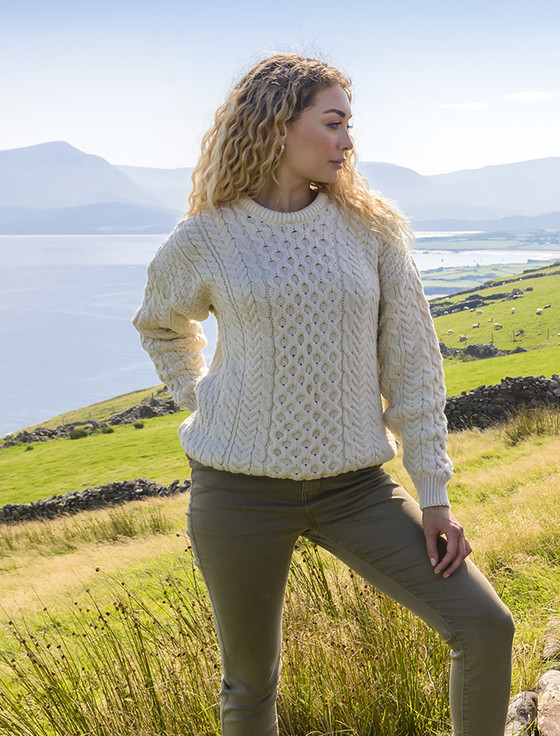
You'll probably reach for one of two things on a cold morning - a wool sweater or a fleece pullover. The wool sweater vs fleece debate isn't really about which one keeps you warm (both do). It's about how they handle moisture and odour, and whether the piece still holds up after a few years of wear.
Wool is a natural fibre we’ve relied on for thousands of years. It’s natural, breathable, thermoregulating, moisture-wicking, and incredibly durable. What more could you ask for in a sweater?
On the other hand, fleece is a lightweight, easy-to-wash, synthetic polyester fabric. It has its place, but is it better than wool? We think not. And, we’ve put together this comparison to help you see the truth yourself.
We'll cover where each one excels and where it falls short, so the next fleece or wool sweater you buy is the right one. Just know your search for a merino wool sweater that’ll last a lifetime ends here. Every piece at Aran Sweater Market is crafted in Ireland from 100% natural fibres. Shop now!
Wool Sweater vs Fleece (Fast Facts)
|
Category |
Wool Sweater |
Fleece |
|
Material |
Natural protein fibre (sheep) |
Synthetic polyester (petroleum) |
|
Warmth |
Excellent - thermoregulates |
Good - insulates, doesn't regulate |
|
Breathability |
High |
Low to moderate |
|
Moisture |
Absorbs up to 30% before feeling wet |
Dries fast but doesn't absorb |
|
Odour Resistance |
Naturally antimicrobial |
Holds odour after a few wears |
|
Durability |
Years to decades |
2-4 seasons typically |
|
Care |
Hand wash or dry clean |
Machine wash and tumble dry |
|
Weight |
Medium to heavy |
Lightweight |
|
Price |
$60-$200+ |
$30-$80 |
|
Sustainability |
Biodegradable, renewable |
Not biodegradable, petroleum-based |
What We Love About Wool Sweaters
The wool sweater vs fleece comparison is honestly a little lopsided. Wool is one of the oldest performance fabrics on earth. Its fibres regulate temperature, repel odour, and genuinely get better with age.
Benefits
- Adjusts to your body heat - keeps you warm in the cold without overheating when you step indoors
- Pulls moisture away from the body and holds up to 30% of its own weight in water without feeling damp
- Naturally resists bacteria, so you don’t have to wash as often and there won’t be a stale smell building up between wears
- Wool’s fibre structure withstands constant stress without weakening/snapping
- Fully biodegradable and grown, not made from fossil fuels
- Improves with age, getting softer the more you wear it
Considerations
- Costs more at the point of purchase
- Needs a gentler wash routine - no tossing it in with the rest of your laundry
- Coarser grades can irritate sensitive skin, but that’s not the case with merino (softest type)
- Vulnerable to heat - hot water or a tumble dryer can permanently shrink the sweater
- Heavier than fleece at the same insulation level
How Do Fleece Sweaters Compare?
Fleece is a synthetic fabric made from polyester. It’s basically recycled or virgin plastic spun into soft fibres. Fleece does win on a handful of practical points if you're weighing up a fleece or wool sweater purchase. But you also need to be aware of the potential downsides.
Benefits
- Weighs much less than wool for the same warmth
- Goes straight in the washing machine and dryer - no special routine necessary
- Dries faster than almost any natural fibre
- Won't felt, shrink, or change shape in the wash
- Safe for anyone with lanolin sensitivity or wool allergies
- Affordable since most fleece layers cost less than $80
Considerations
- Holds heat in but can't release it (no temperature regulation)
- Holds odour since polyester traps bacteria. Should be washed after every wear
- Surface pills with regular wear, and polyester pills are harder to shave off than wool pills
- Petroleum-based - you’re basically wearing plastic
- The insulating loft compresses over time, so you’ll get less warmth season by season
- Generates static in low-humidity conditions
Fleece vs Wool Sweater: Choosing the Right Sweater Material
It might not sound like a big deal to some people, but the type of sweater you wear can make or break how comfortable you are. It also dictates how much of a hassle caring for your sweater is. Let’s take a closer look at the wool sweater vs fleece sweater below.
Warmth
The whole point of a sweater is to keep you warm. Wool or fleece sweaters can do the job. There’s a difference here, though. Wool's fibre structure creates tiny dead-air spaces that hold warmth, and the same structure vents excess heat when your core temperature rises - two-way regulation.
Step from a cold street into a heated shop wearing fleece and you'll immediately feel the difference: wool sheds that excess warmth while fleece holds onto it. The wool sweater vs fleece warmth gap matters most if you aren’t staying in one environment all day - and most of us aren't.
Weight
Fleece has a genuine edge in how lightweight it is. A midweight fleece pullover weighs way less than a comparable wool sweater. That’s great for packing into a daypack or layering under a shell without feeling super bulky.
Wicking
Wool and fleece handle moisture in completely different ways. Wool draws moisture vapour into the fibre core and holds up to 30% of its own weight, while the scaly outer surface sheds liquid water.
Fleece takes the opposite approach: it doesn't absorb anything, just shuttles surface moisture and dries fast. The catch? That sweat sitting on polyester creates that clammy, sticky feeling people complain about.
The key takeaway in the fleece vs wool sweater wicking matchup - wool keeps you drier in practice, even though fleece dries faster on a hanger.
Softness
Wool gets a bad name. People say it’s itchy and scratchy. And it’s true - coarser breeds aren’t exactly the softest fibre out there. But merino wool is in a league of its own. It sits well under 20 microns per strand. That’s the same softness range as high-end cotton!
A good wool sweater is comfy enough to wear directly against the skin all day. A merino wool sweater also breaks in rather than breaking down. It gets more comfortable with every wear. By the second or third year you own it, it’s in its prime.
Fleece has a plush feel out of the packaging - but it fades once pilling sets in. The surface roughens, and that initial softness disappears. The wool sweater vs fleece softness story is really about direction: wool improves while fleece degrades.
Breathability
Wool lets air and moisture vapour pass through the fabric. That’s why you can wear it indoors all day without dealing with that trapped-heat feeling fleece is known for.
On the other hand, fleece holds warm air in place but can't let it go. The temperature inside the garment keeps climbing because it has nowhere to go. Anyone choosing a fleece or wool sweater for daily wear will notice the difference. They’ll wish they’d gone with wool!
Care
Fleece goes straight in the washing machine with everything else. Doesn’t need any special treatment. That’s a real advantage if you want a garment you don’t have to think twice about caring for.
It’s true. Wool asks for a bit more on your end. You have to hand-wash it in cool water using a gentle detergent like Woolite. You’ll also need a towel to press out the excess moisture and a flat surface to dry on.
But be honest - the whole process takes about 10 minutes of actual effort. Don’t you think that’s a small price to pay for all the benefits wool sweaters have to offer? It's the drying time that tests your patience more than anything else.
Convenience is pretty lopsided in the fleece vs wool sweater care comparison. The trade-off is that fleece needs to be replaced way sooner. Yes, you're saving time on laundry day - but you’re spending more time shopping for replacements down the line.
Cost
A quality fleece layer typically costs $30-$80. A wool sweater starts around $60 and can easily cost $200 depending on the wool type and how it’s made. But cost only tells you part of the story. Long-term value is what we think really matters in the wool sweater vs fleece sweater showdown.
Most fleece layers start showing wear after a season or two. The surface pills, the loft compresses, and the warmth drops off. A wool sweater you care for is still in your rotation a decade later.
So, divide the price by the years of actual use and the wool sweater vs fleece cost equation flips. Wool's price per season drops well below what you'd spend cycling through fleece replacements.
Final Words on the Wool Sweater vs Fleece Comparison
Fleece makes sense if you need a lightweight trail layer that you can wash without thinking. Wool is where you should spend your money if you want a garment that handles temperature swings all day, resists odour between wears, and still looks right after years of hard use.
The wool sweater vs fleece question almost always lands on wool for anyone who cares about longevity over short-term convenience. So, don’t settle for less. Shop at Aran Sweater Market, where every garment is made in Ireland from the best wool and backed by a Certificate of Authenticity.
Our wool sweaters for women and wool sweaters for men span merino, pure new wool, and wool-cashmere blends. The merino wool cardigan range layers just as well.
We’ve earned a 4.5/5 rating across 50,000+ reviews on Trustpilot, so you can rest assured you’re getting the quality you deserve. Shop our Irish wool sweaters today and see what catches your eye!
Related Resources
Crochet vs knit sweater | Cotton vs wool sweater | Crew neck vs V-neck
Frequently asked questions
Is a wool sweater warmer than fleece?
Yes, in most conditions. Wool thermoregulates. That means it releases heat when you warm up and holds it when you cool down. Fleece insulates but can't vent excess warmth, so you overheat indoors or sweat during transitions between environments.
Can wool sweaters get wet?
They can. Wool absorbs up to 30% of its weight in moisture before it even feels damp, and it stays warm even when wet. Fleece can't do that once it's soaked through. Wool takes longer to dry, so roll it in a dry towel and lay it flat rather than wringing it.
Does fleece absorb water?
No. Polyester repels water rather than absorbing it, which is why fleece dries so fast. The trade-off is that moisture sits on the surface rather than being drawn into the fabric, so it feels damp against skin if you sweat. Wool works the other way, pulling moisture into the fibre core while the outer surface stays dry.
How breathable is wool compared to fleece?
WAY more breathable. Wool fibres let air and moisture vapour pass through, preventing heat from building up against your skin. Fleece traps warm air (that's how it insulates) but also traps moisture, which leads to that clammy feeling after wearing it for a while.