
 STORES
 Euro
Euro
 US Dollar
 Pound Sterling
 Australian Dollar
 Canadian Dollar
 Japanese Yen


Acrylic vs Wool Sweater
Posted by Aran Sweater Market on 16th Apr 2026
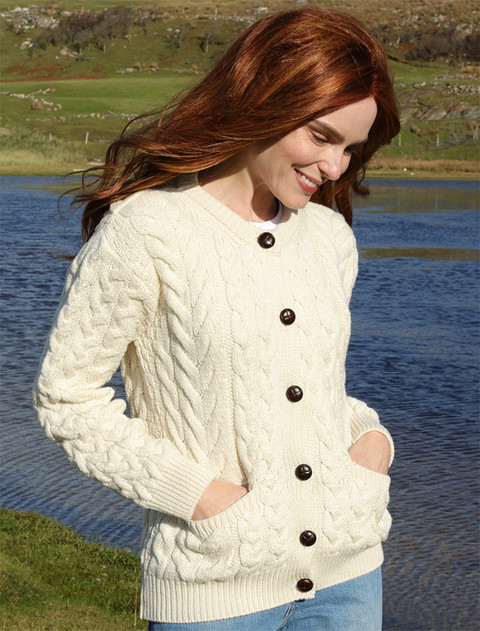
An acrylic and wool sweater can look almost identical on the hanger. The acrylic vs wool sweater debate really starts the moment you put them on. Wool breathes, regulates temperature, and ages like a fine wine. Acrylic costs less and survives the washing machine without fuss.
But there’s a lot more that goes into choosing between a wool vs acrylic sweater. One of these is a natural fibre; the other is a type of plastic. We’ll compare the two sweater materials side-by-side below to help you narrow it down to the perfect style for YOUR wardrobe.
We want to be totally transparent with you, though. We think wool is light years ahead of acrylic - and it’s worth every penny when you consider its warmth, breathability, softness, and longevity. Explore our Irish wool sweaters and discover the difference for yourself.
Acrylic vs Wool Sweater (Quick Comparison)
|
Category |
Wool |
Acrylic |
|
Material |
Natural protein fibre (sheep) |
Synthetic polymer (petroleum) |
|
Warmth |
Excellent - thermoregulates |
Moderate - traps heat, no regulation |
|
Breathability |
High |
Low |
|
Softness |
Varies - merino is very soft |
Soft initially, degrades with washing |
|
Durability |
Years to decades |
1-3 seasons typically |
|
Care |
Hand wash or dry clean |
Machine wash and tumble dry |
|
Price |
$60-$200+ |
$20-$50 |
|
Sustainability |
Biodegradable, renewable |
Not biodegradable, petroleum-based |
|
Pilling |
Some - easy to remove |
Heavy - harder to remove |
Pros and Cons of a Wool Sweater
Wool's advantages in the acrylic vs wool sweater debate can all be traced back to the fibre itself. This natural material has been keeping people warm for thousands of years. Here's what it does well, and where it falls short.
Pros
- Naturally thermoregulating, so it’s warm in winter yet breathable in warmer weather
- Absorbs up to 30% of its weight in moisture before feeling wet
- Naturally antimicrobial. It resists odour between wears, so you don’t have to wash it
- Extremely durable. Wool fibres can bend thousands of times without breaking
- Biodegradable and renewable
- Gets softer and develops character over time rather than deteriorating
Cons
- More expensive than synthetic alternatives (you get what you pay for!)
- Must be hand-washed or dry-cleaned - not machine-wash safe
- Low-quality wool can feel scratchy on sensitive skin (merino is the exception)
- Can shrink or felt if washed in hot water
- Takes longer to air-dry than synthetics
Our blog has a similar comparison of the cotton vs wool sweater if you’re curious. In the meantime, let’s look at the other half of our wool vs acrylic sweater comparison.
Pros and Cons of an Acrylic Sweater
Acrylic is a petroleum-based synthetic fibre made to mimic the look and feel of wool at a lower price point. But it doesn’t even come close, honestly. There are only a few areas in the acrylic sweater vs wool comparison where acrylic wins. The trade-offs are what you really need to know about, though.
Pros
- WAY cheaper than wool
- Machine washable and tumble-dryer safe
- Doesn't shrink or felt
- Lightweight
- Hypoallergenic - no lanolin, suitable for wool-sensitive skin
- Holds dye well, so vibrant-coloured sweaters resist fading
Cons
- Not breathable - traps heat and moisture against the skin
- Gets really staticky (especially in dry weather)
- Pills heavily over time, and the pills are harder to remove than wool pills
- Petroleum-based - not biodegradable or renewable whatsoever
- Loses shape and softness faster than wool
- Can feel clammy or plasticky when you sweat
Acrylic Sweater vs Wool Sweater: Comparing Comfort, Style, Longevity, and More
You’re probably already leaning one way or the other after reading through the pros-and-cons lists above. But the acrylic vs wool sweater comparison gets even clearer when you look at specific categories side by side. Let’s start with what’s actually resting on your skin.
What You're Really Putting on Your Skin
Your skin is an organ that can absorb whatever is put on it - so the clothes you wear matter. Fortunately, you have nothing to worry about with wool, unless of course you have an allergy.
It’s a natural protein fibre - keratin, the same protein in human hair. It's been used in clothing for 10,000+ years. The fibres are naturally complex, each with a scaly outer surface that repels liquid water while the core absorbs moisture vapour. That dual structure makes wool both water-resistant on the outside and moisture-wicking from the inside.
On the other hand, acrylic is a synthetic polymer made from petroleum. It's made to mimic wool's appearance, but it behaves quite differently at a molecular level. It doesn't absorb moisture, doesn't breathe, and doesn't biodegrade.
The fibres are uniform and smooth, so acrylic feels soft at first but lacks the organic complexity that gives wool its performance edge. More importantly, though, you’re wrapping yourself in plastic. You deserve better, and wool is the way to go.
Softness and Comfort
The “wool is itchy” reputation comes from coarser traditional wool, not from the fibre itself. Merino wool’s fibres measure under 20 microns. It’s softer than most cotton and sits comfortably against bare skin. A merino wool sweater feels way different from a standard wool sweater. It’s worth trying if scratchiness has put you off wool before.
Like we just said, brand new acrylic feels soft - but it doesn’t last very long. Acrylic fibres begin to pill after a handful of washes, and the surface texture roughens.
The comfort gap between an acrylic vs wool sweater only gets wider with time. Wool (especially merino) actually gets softer with age and proper care. Acrylic moves in the opposite direction.
Warmth and Thermoregulation
Wool regulates temperature in both directions. It sounds too good to be true - how can a material be warm in the winter and breathable in spring or fall? It all goes back to its unique fibres.
These fibres trap insulating air pockets to keep you warm when it's cold, but they also wick moisture and release heat when your body temperature rises. You don't overheat in wool the way you do in synthetics. Any acrylic sweater vs wool comparison favours wool if you wear your sweater indoors and outdoors on the same day.
In contrast, acrylic barely has basic insulation through its fibre structure. It doesn't thermoregulate. On the contrary, it traps heat and doesn't release it well, so you can go from comfortable to clammy fast - especially moving between a heated building and the cold outside.
Care Requirements
This is where acrylic has a real advantage. You can machine wash it, tumble dry it, and it won't shrink or felt. Acrylic is easier to live with if convenience is your top priority and you don't want to think about laundry - no question.
Wool needs more attention. Hand washing in lukewarm water with a wool-safe detergent like Woolite, rolling in a towel to remove excess water, and drying flat. It's not difficult, but it's definitely more work than tossing it in the machine.
But we do see some misconceptions on this topic. The process takes about 10 minutes if you've never hand-washed wool before. Not the all-day ordeal some people imagine. We think it’s worth the work, too. The payoff is a sweater that holds up for years or decades rather than a few seasons.
Cost Comparison
An acrylic sweater typically costs $20-$50. A quality wool sweater ranges from $60-$200+ depending on the type of wool, the construction method, and the brand. You’d think an acrylic sweater is the obvious choice if you care about value for the money.
That’s not the case, though. Cost-per-wear tells a different story. An acrylic sweater that pills and loses shape after one season might get worn 30-40 times before you stop reaching for it. A wool sweater that lasts 10+ years could see hundreds of wears.
The acrylic vs wool sweater comparison often tips in wool's favour on a per-wear basis, especially for a piece you plan to wear all the time for years to come. The question isn't which sweater costs less at the register. It's which one costs less in the long run.
Factor in replacement costs - buying three $35 acrylic sweaters over the same period a single $120 wool sweater lasts - and the numbers get even harder to argue with.
Which Sweater is Right For You?
Acrylic does the job at a fraction of the price if you want a sweater for one or two seasons and don't mind replacing it. It's also the better option if you have a genuine lanolin allergy. Not just a preference issue, but an actual sensitivity to animal fibres.
But wool wins for everything else:
- Warmth, breathability, and moisture-wicking
- Comfort that gets better over time
- Environmental responsibility
- Quality that turns a sweater into a wardrobe staple
Whether you're after a wool sweater for women or a wool sweater for men, the acrylic vs wool sweater question has a clear answer. But why take our word for it when you could discover the benefits of wool yourself?
Every piece in our collection here at Aran Sweater Market is knitted in Ireland from 100% natural fibres: merino wool, pure new wool, and wool-cashmere blends. We’ve earned the trust of millions of customers with a 4.5/5 star rating across 50k+ reviews on Trustpilot.
Once you've settled on wool, the choice between a crew neck vs V-neck shape is the more interesting decision to make. But let’s quickly pivot to a separate conversation - how to tell if a sweater is wool or acrylic.
How to Tell if a Sweater is Wool or Acrylic
Maybe you’re at a secondhand shop and want to know what you’re looking at. The obvious first step is checking the label, where the fibre content should be listed. “100% wool,” “merino,” “lambswool,” or “cashmere” means wool. “100% acrylic” or “acrylic blend” is your answer on the other side.
If you can’t find any explicit details, though, here are some tests you can try:
- The touch test: Wool feels warm in your hand almost immediately. Acrylic stays cool and can feel slightly slippery or plasticky by comparison (it is plastic, after all!).
- The burn test: Clip a tiny thread from an inside seam and hold it to a flame. Wool smells like burning hair, curls away from the flame, and leaves a soft, crushable ash. Acrylic melts, smells chemical, and hardens into a plastic bead.
- The water test: Place a drop of water on the fabric. Wool absorbs it slowly. Acrylic beads it up and repels it.
- The price test: If a “wool” sweater costs $25, it's almost certainly not pure wool - or it's a very low-percentage blend at best. You get what you pay for.
Knowing how to tell if a sweater is wool or acrylic is especially useful when shopping secondhand, where labels may be worn or removed.
But whether you’re comparing a crochet vs knit sweater or an acrylic vs wool sweater, your search ends here at Aran Sweater Market. Shop now and see what keeps customers coming back for more!
Wrapping Up Our Wool vs Acrylic Sweater Comparison
The acrylic vs wool sweater decision comes down to what you want from the piece. Acrylic is cheaper and lower-maintenance - that's genuinely enough for some people. But we think everyone deserves better. And once you experience a real wool sweater, you never go back.
Wool is warmer, more breathable, longer-lasting, and biodegradable. The gap in comfort and durability only widens the longer you own it. Wool earns its higher price tag every time if you're investing in a sweater you plan to reach for year after year.
Our full collection includes merino wool cardigans alongside our sweater range. Across the board, every piece is Certified Authentic Aran® knitwear, shipped with a Certificate of Authenticity confirming it was made in Ireland using traditional methods.
Reconnect with your heritage at Aran Sweater Market. Or just discover the difference between handcrafted wool sweaters made to last a lifetime, and cheaper seasonal garments. Don’t settle for less!
Frequently Asked Questions
Is acrylic good quality for a sweater?
It depends on what you mean by quality. Acrylic won't shrink or felt in the wash, and it holds colour well. But it pills faster than wool, doesn't breathe, and loses its softness after washing. Wool is the stronger investment for something you want to keep for years.
Which is comfier, acrylic or wool?
Wool - specifically merino wool. These fibres are finer and smoother than standard wool, so you won’t deal with the scratchiness that puts some people off. Acrylic can feel soft out of the package, but that feeling fades as the fibres pill and degrade. The comfort gap between an acrylic sweater vs wool sweater grows wider with every wash - merino gets softer over time, acrylic gets harsher.
Does wool keep you warmer than acrylic?
Yes - but only if you’re actually trying to stay warm. That’s the beauty of wool - it adapts to the seasons. Wool fibres trap insulating air and wick moisture at the same time, so you stay warm without overheating. Acrylic has basic insulation but doesn't thermoregulate. It holds heat and moisture against the skin. You may feel clammy when you move between warm interiors and cold air outside.
Is wool itchy? What about acrylic?
Standard coarser wool can be itchy for people with sensitive skin. Merino wool is different. The fibres are fine enough (under 20 microns) to sit comfortably against bare skin, and most people find it softer than cotton. Acrylic isn't itchy in the traditional sense, but it can be uncomfortable because of static, trapped moisture, and a synthetic texture that is less than pleasant against the skin. If you've had a bad experience with wool before, try merino before writing off the fibre entirely.