
 STORES
 Euro
Euro
 US Dollar
 Pound Sterling
 Australian Dollar
 Canadian Dollar
 Japanese Yen


Best Way to Store Wool Sweaters: Your Guide to Wool Sweater Storage
Posted by Aran Sweater Market on 10th Feb 2026
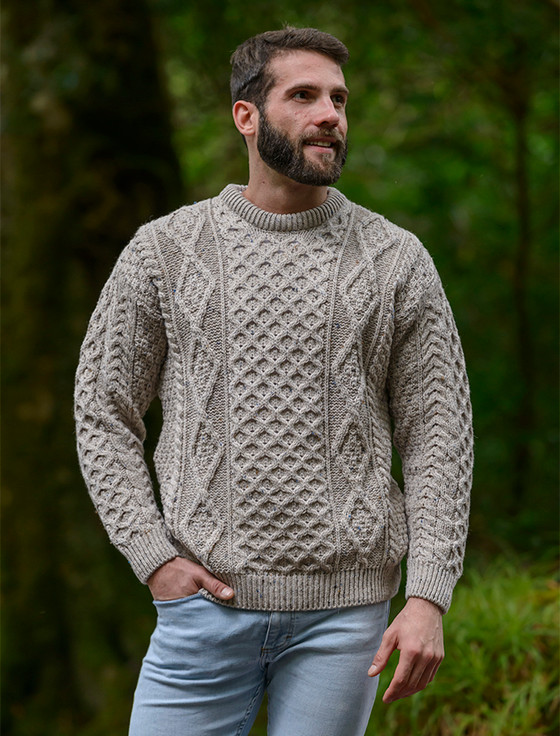
When it is time to pack up your sweaters for the summer months, many people wonder about the best way to store wool sweaters. Wool sweaters are timeless, sustainable, and exceptionally durable. In fact, wool has a variety of natural properties that make it a perfect material for sweaters that last a lifetime: It is naturally anti-bacterial, self-cleaning, water-wicking, and helps regulate your body temperature whether you are hot or cold. High-quality 100% wool sweaters can last a lifetime, but only with the proper wool sweater storage.
Here at Aran Sweater Market, we have been in the business of creating the finest Irish wool sweaters around for generations. Today, we are going to teach you everything you need to know about storing wool sweaters in order to keep these precious heirlooms safe and sound.
Why Proper Wool Sweater Storage Matters
When properly cared for, wool sweaters can last for decades. However, the material is susceptible to certain dangers when it comes to storing wool sweaters. Heat, moisture, and air exposure can damage this material over time, and improper folding or storage methods can also stretch out or compress the fibres. Of course, moths are also a danger for wool sweater storage.
But not to worry: All of these issues are completely avoidable once you learn how to store a wool sweater correctly. Before we get into the strategy, let’s take a look at why proper wool sweater storage really does matter.
Heat, Moisture, and Air Exposure
Ideally, you want to store your wool sweaters in a dry, cool location. High heat can cause wool fibres to shrink, becoming more compact and changing the fit of Irish sweaters for women. Excessive heat can also lead to the garment’s fibres becoming dry and brittle. Storing wool sweaters in a temperature-controlled environment is usually your best bet.
Although wool is known for its moisture-wicking properties, if it gets too saturated with water, it can be difficult to dry. The extra weight of the water can also stretch out the fibres, and thus change the fit of the sweater. When considering the best way to store wool sweaters, you want to keep these factors at the forefront of your mind.
Preventing Fibre Stretching or Compressing
When you store wool sweaters incorrectly, fibre stretching or compressing is a real risk. Wool fibres can stretch out if they are wet or hanging, which leads to the sweater bearing much of its own weight. Likewise, the fibers can become compressed in high heat environments. For this reason, proper storage is essential, from temperature control to the specifics of how you store your wool garments. For example, wool sweater storage bags can be an attractive alternative to hanging your sweaters, which can lead to the shoulders growing stretched out or misshapen.
Avoiding Moths and Other Fabric Pests
The primary fabric pests that may damage wool sweaters are moths and carpet beetles, although occasionally silverfish, firebrats, and rodents can make their mark. Moths can chew small holes in wool items, ruining the fabric and cutting the lifespan of your sweater short. In order to avoid these types of pets, it is best to store wool for the season in a sealed container. There are also wool sweater storage bags that you can use to keep moths and beetles out. Furthermore, ensuring that your sweaters are clean and free of debris can help prevent pests.
Signs You’re Not Storing Wool Sweaters the Right Way
So, how will you know if you’re storing wool sweaters incorrectly? There are going to be telltale signs! From stretched out necklines to musty smells, let’s take a closer look at some warning signals that indicate your wool storage plans need an upgrade.
Shoulder Bumps or Stretched Necklines After Storage
Seeing bumpy shoulders or stretched out “bacon”-looking necklines after storing your wool sweaters for the winter? Our expert team at Aran Sweater Market can diagnose the issue: You are probably hanging up your sweaters instead of folding them! Hanging wool sweaters is a common faux pas when it comes to proper wool storage.
Think about it like this: When a sweater is hanging, a few key pressure points are made to carry the weight of the entire item. Hangers leave the shoulders and neckline of the sweater struggling under the weighty wool, and these areas can get stretched out and misshapen when hanging for an extended period of time. The best way to store wool sweaters is to fold or stack them so that no piece of the garment is subject to undue pressure.
Musty Smells or Damp Patches When Unpacked
If you are unpacking your wool sweaters and notice a musty smell or damp patches, then the sweaters may not have been completely dry when put away. It is crucial to ensure that your wool garments are 100% dry before storing them, because they will not be able to dry effectively in sealed containers like wool sweater storage bags.
For this reason, we recommend breathable containers for wool sweater storage, rather than airtight containers. A little bit of airflow can help keep your sweaters in tip-top shape, whereas a completely sealed container can yield humidity and wetness if even one sweater is not fully dry. Over a season of storage, a wetness can loosen the fibres of Irish sweaters for men, making parts of the sweater seem misshapen or loose. It can also make intricately woven patterns appear slightly off or misaligned.
Small Holes or Thinning Areas in the Knit
If you see small holes or thinning areas in the knit of your Irish wool sweater, chances are that you have a pest problem. Pests such as moths and carpet beetles are some of the biggest obstacles in wool sweater storage, as moths can chew holes in sweaters and their larvae may graze on the wool fibres, leading to thinning patches.
The good news is, there are ways to deter these pesky creatures! We will dive deeper into the best way to store wool sweaters momentarily, sharing some tips and tricks to keep moths out. Plus, see our article on how to mend a hole in a sweater to save your woolen goods.
Misshapen Sweaters That Don’t Return to Form
If your sweaters seem like they have lost their shape after a season of storage, something has gone wrong in your wool sweater storage strategy. Common reasons for a misshapen sweater include storage while wet or damp (or even overly humid environments) or hanging your sweaters. Too much moisture can stretch out the fibres of a wool sweater, reducing the natural coil of the wool, and hanging these carefully woven garments can lead to wonky necklines and odd stretch marks in the shoulder area.
What’s the Best Way to Store Wool Sweaters?
The best way to store wool sweaters involves being cognisant of the unique properties of wool and ensuring that you put these sweaters away with care. Storing a wool sweater correctly can help extend its lifespan, which is also a win for the environment and your wallet.
Fold Sweaters Flat Instead of Hanging
The most basic tip for correctly storing your wool sweaters is to fold the sweaters and stack them flat on top of each other rather than hanging them. Remember, hanging up a wool sweater can slacken the fibers in the neckline and shoulders, stretching out these areas and giving it a misshapen appearance. Keep your wool in good condition for longer by folding your wool sweaters instead of hanging them up. Save your hanger space for other materials!
Use Breathable Storage Containers or Cotton Bags
A common misconception about how to store a wool sweater is that you should keep it in an airtight container. Actually, it is best to use breathable wool sweater storage bags or containers, as this prevents moisture from accumulating inside the container. Generally speaking, it is good for wool to maintain some airflow even during storage.
Store in a Cool, Dry, Dark Place
Too much light, heat, or moisture can be damaging to wool sweaters while they are being stored. Excessive heat (which can also happen from an influx of sunlight) can cause wool fibres to contract, making it seem like the sweater has shrunk. Moisture can have the opposite effect, slackening wool fibres and loosening the fit of a sweater, as wool grows more pliable with moisture. When you store your Irish wool sweaters in a cool, dry, dark place, you are avoiding any of these potential pitfalls.
Aran Sweater Market Tip: Wondering how to unshrink wool sweater after an incident? It is possible. We can also help you out with pilling sweater problems.
Add Natural Moth Deterrents Like Cedar or Lavender
Preventing pests is a key part of the best way to store wool sweaters. If you are worried about moths or their larvae, there are many different natural moth deterrents that can help dissuade these bugs from making a home among your wool sweaters. Cedar and lavender are both natural moth deterrents, and you can use cedar pellets or lavender sachets inside the same breathable storage container where you place your sweaters.
Clean Sweaters Before Long-Term Storage
Cleaning your sweaters before long-term storage can help prevent pest infestations, and it can also ensure that no smells or stains fester throughout the winter. Of course, it is important to properly dry your sweaters when you do wash them, as leaving them wet can stretch out the fibres of the wool. Although wool sweaters do not need to be washed often, giving them a thorough cleaning before storage once a year can help elongate their lifespan.
That said, we do not advise putting your wool sweaters in the washing machine. A washing machine submits your sweaters to a whole suite of problems: hot temperatures, friction with other fabrics, and too much moisture. Hand washing or dry cleaning your wool sweaters is typically the best choice for careful and conscientious care.
More Tips on Wool Sweater Care
Caring for your wool sweaters begins with proper storage, but there are a few other areas of care to consider. Understanding how best to clean your sweaters will help you make these treasured garments last for years to come. Wool sweaters do not need to be cleaned as much as a typical piece of clothing, especially if you wear a t-shirt underneath the sweater. Airing out the sweaters, even outdoors, and spot cleaning any stains can be the best strategy.
Here are a few other wool sweater care tips:
- Refrain from wearing them multiple days in a row to let fibres recover
- Avoid friction with other fabrics when possible to reduce pilling
- Do not wring water from wool sweaters, as you can stretch the fibres
- If washing, make sure to use cold water
- Follow the care labels on each unique sweater carefully
Find Your New Favourite Wool Sweater at Aran Sweater Market
Here at Aran Sweater Market, we are your trusted provider of authentic Irish wool sweaters from the renowned Aran Islands. Our wool sweaters are crafted to last a lifetime, offering you a taste of affordable luxury straight from Ireland. You can even represent your Irish clan with traditional weaving patterns and style that evoke your meaningful heritage from the land of Eire.
Shop our men’s, women’s, and children’s styles, plus other exciting textiles and gifts, on our website. Visiting the Emerald Isle? Stop by our hallmark storefront in the Aran Islands.
“Well made, beautiful colours, prompt delivery.” - Dave
“Was delighted to find my mock neck sweater in merino and cashmere blend is thicker than expected and actually very toasty warm. Even though it is form fitting, I can wear a long sleeve tee underneath and feel immune to the cold.” - Megan
“A beautiful Aran jumper with the perfect mock turtle neck…love it!” - John
Final Words on How to Store a Wool Sweater
When you make an investment in a treasured Irish wool sweater that shows off your clan heritage, effectively storing it to protect it for a lifetime is essential. Storing wool sweaters can be confusing, but here at Aran Sweater Market, we have all of the information about how to store a wool sweater that you need to succeed. Remember to avoid the cardinal sins of wool sweater storage: hanging, heat, moisture, and moths. With the tips in this article, you can make your wool sweaters last for generations to come, keeping your Irish heritage alive and well.